
Workflow automation
LowCode platforms are changing the way IT projects are delivered. Traditional developer roles are shifting from routine tasks to more complex integrations and automations, while business analysts and key users are taking on more responsibility for application development. How does this trend accelerate development, reduce costs and increase flexibility, and what is the role of the Tabidoo platform in this context ? Read more in our article.
Author Tabidoo
4 minutes to read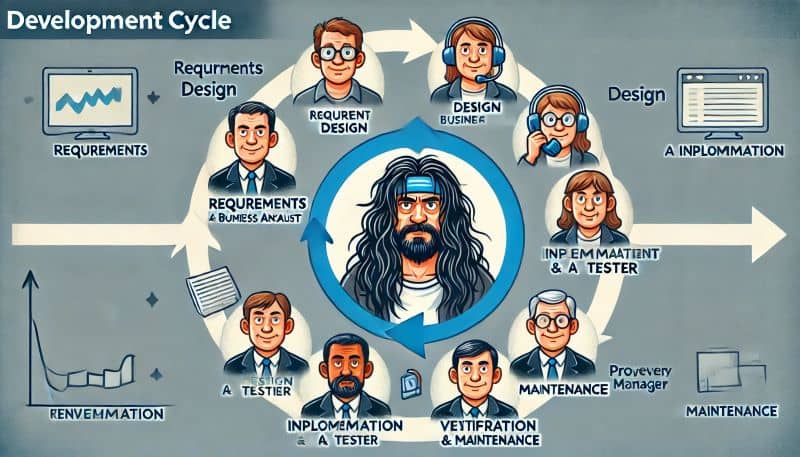
How LowCode platforms are changing IT projects
LowCode platforms have quickly become an essential part of the IT industry, bringing faster application development and simplified processes. This article focuses on how these platforms are changing the role of developers and business analysts in IT projects and also mentions a specific example of a platform Tabidoo.
With the advent of LowCode platforms, the role of the developer is changing significantly. Traditional tasks such as programming routine functions, creating forms and graphs are now performed by “core” users using intuitive visual tools. This allows developers to focus on more complex integrations, automations and advanced calculations that require deeper technical knowledge. This shift enables more effective use of their specialist skills and adds value to their work.
“Key” users, who often take on the role of business analysts, are now taking on many of the tasks previously performed by developers. With LowCode platforms, these users can create and edit forms, add items to forms, and generate charts without the need for deep programming knowledge. This allows for a faster and more flexible response to business needs and reduces the time needed to implement changes.
LowCode platforms enable faster application development with visual tools and prebuilt components. Key users can quickly build prototypes and applications while developers focus on the more technically challenging parts of the project. This approach reduces time to market and increases team productivity.
IT project costs are reduced due to accelerated development and more efficient use of resources. Developers can focus on more complex tasks that deliver more value while key users handle routine tasks. This leads to lower labour costs and less expenditure on training and development tools.
LowCode platforms allow easy application modifications and updates. When business requirements or user needs change, key users can quickly modify applications without the need for extensive rework. Developers can then make more complex technical adjustments and integrations, ensuring that applications are always up-to-date and efficient.
LowCode platforms promote better collaboration between developers and key users. Teams can easily share their work and feedback, which increases efficiency and the quality of the resulting products. Developers can respond quickly to key user requests, ensuring that applications meet business needs.
LowCode platforms reduce technical debt by providing structured and standardized components. Key users can build applications that are easy to maintain and upgrade. Developers can integrate these applications and automate complex processes, ensuring long-term sustainability and efficiency.
Tabidoo is one of the LowCode platforms that contributes significantly to the transformation of IT projects. Tabidoo allows key users to easily create and manage database applications without the need for programming. With an intuitive user interface, users can quickly create forms, reports and charts, while developers can focus on complex integrations and automations.
Tabidoo also supports collaboration between teams, allows easy integration with other systems, and ensures that applications are secure and compliant. These features make Tabidoo a valuable tool for companies looking to accelerate application development and streamline their IT projects.
LowCode platforms are fundamentally changing the role of developers and key users in IT projects. Developers are shifting to more technically challenging tasks, while key users and business analysts are taking over routine tasks. This approach increases efficiency, reduces costs and improves collaboration, all key factors for success in today’s dynamic business environment. The Tabidoo platform is an excellent example of how LowCode tools can make application development easier and faster.
Workflow automation

Reports
Multilingual
Quick setup, zero risk, full control.
No trial limits
No user fees
No credit card required

How to streamline recruitment with ATS? Easy - just choose the best recruitment system. What are the key features of a modern ATS and what to keep in mind when choosing one?

Connecting Excel and Power BI to Tabidoo enables efficient data management and analysis. Learn how to connect Tabidoo to these tools for automatic data synchronization, improved work efficiency and advanced visualization.
Retrieve data from Ares simply by entering the ID number. Save time and increase your team's productivity with our digital efficiency add-on.

Discover how low-code platforms like Tabidoo help women enter the IT industry, reduce the gender pay gap and support their career growth. Initiatives such as Czechitas and Digifemme play a key role in promoting women's participation in the tech world.